
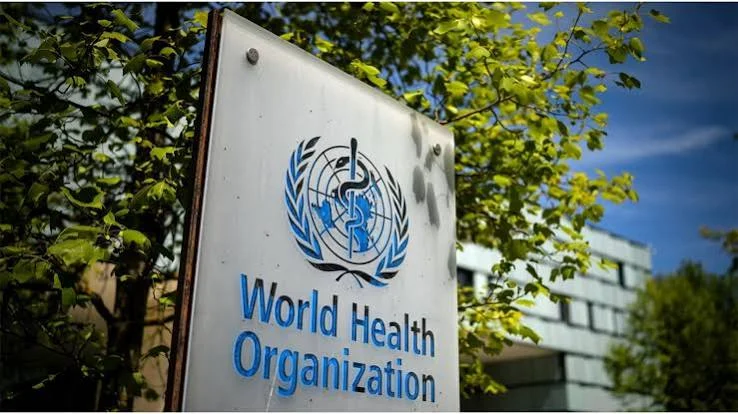
Implementing a few climate and health measures could save nearly 1.6 million lives a year and generate trillions of dollars for the economy, the World Health Organisation said on Wednesday.
The UN agency’s report, released days before the COP31 climate change conference kicks off, proposed heat-health warning systems and climate-resilient infrastructure for drinking water and sanitation.
Improved hand hygiene, cleaner household energy sources and more efficient fossil fuel pricing were also on the list.
WHO chief Tedros Adhanom Ghebreyesus said in a statement that the climate crisis is also a health crisis, but that much of the harm it causes can be prevented with tools already available.
The report said rolling out six concrete measures could provide a triple dividend of healthier people, lower emissions and stronger economies.
It added that, besides saving lives, the measures could help avoid 16.7 billion tonnes of carbon dioxide emissions each year.
The measures could also generate up to $5.4 trillion in fiscal benefits annually, as well as a nearly $4 trillion economic boost by saving lives, avoiding disasters and reducing healthcare costs.
The WHO acknowledged that the study relied on ambitious scenarios and that data gaps and inherent uncertainties shaped the projections.
Tedros, however, maintained that the report showed how scaling up proven, affordable actions could save millions of lives, with the greatest gains in the countries that need them most.
As global leaders prepare to head to COP31 in Turkey next week, he urged them to ensure that protecting health is at the centre of climate action.
AFP
