
The World Health Organisation has said Nigeria must complete a 42-day monitoring period before it can be declared free of Ebola, following the confirmation of a case in the country.
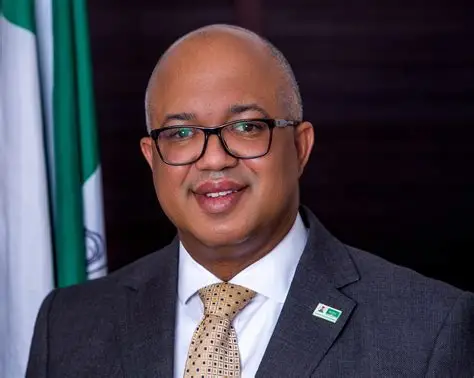
The Executive Director of the WHO’s Health Emergencies Programme, Dr Chikwe Ihekweazu, said all 53 identified contacts of the patient must be monitored for 21 days, followed by another 21-day period, in line with established protocols.
In a post on X on Monday, the WHO Regional Director for Africa, Mohamed Janabi, had said Nigeria had no active Ebola cases after the medical evacuation of the infected patient and her husband to Switzerland. Janabi said the patient was clinically stable after treatment by Nigerian medical personnel, and that Switzerland would take responsibility for her continued care and for monitoring her husband, who was identified as contact number 53.
He said the Nigerian team had successfully managed her through the acute phase of the illness and stabilised her condition. Nigeria, he added, would continue to monitor the 52 contacts remaining in the country, while Swiss authorities oversaw the husband.
Speaking in an interview with ARISE NEWS on Wednesday, Ihekweazu said the monitoring process was necessary before Nigeria could be declared Ebola-free. He explained that about 53 people had contact with the patient during the days she was ill, and each must be followed for 21 days and then for a further 21, making 42 in all. He said these were the standard WHO protocols, applied in every country that faces a similar incident.
Ihekweazu clarified that the patient’s evacuation to her country of origin was not prompted by any shortcoming in Nigeria’s ability to manage the disease. It was done at the request of her country of origin, he said, and took place on Tuesday.
He explained that every confirmed case of a viral haemorrhagic fever, the group of diseases to which Ebola belongs, is treated as the equivalent of an outbreak and requires a coordinated response, which is why the WHO raised the alarm and supported the government in responding.
The WHO official commended Nigeria’s handling of the case, saying the country had followed the advised measures more or less to the letter. He cited excellent case management and the speed of laboratory confirmation and sequencing, and said Nigerians would be proud of the response so far.
On concerns about political rallies and other public gatherings, Ihekweazu said the WHO had not advised any further restrictions, stressing that its advice is technical and never political, and that it would keep supporting the government. He said the priority was to follow up every identified contact daily, detect any further transmission early and respond promptly.
He urged Nigerians to trust the government and the relevant health agencies, which are supported by the WHO in every aspect of the response. He said he was confident the situation could be brought under control, and called for the response to remain technical and not be politicised.
