
BY SAMUEL PRECIOUS
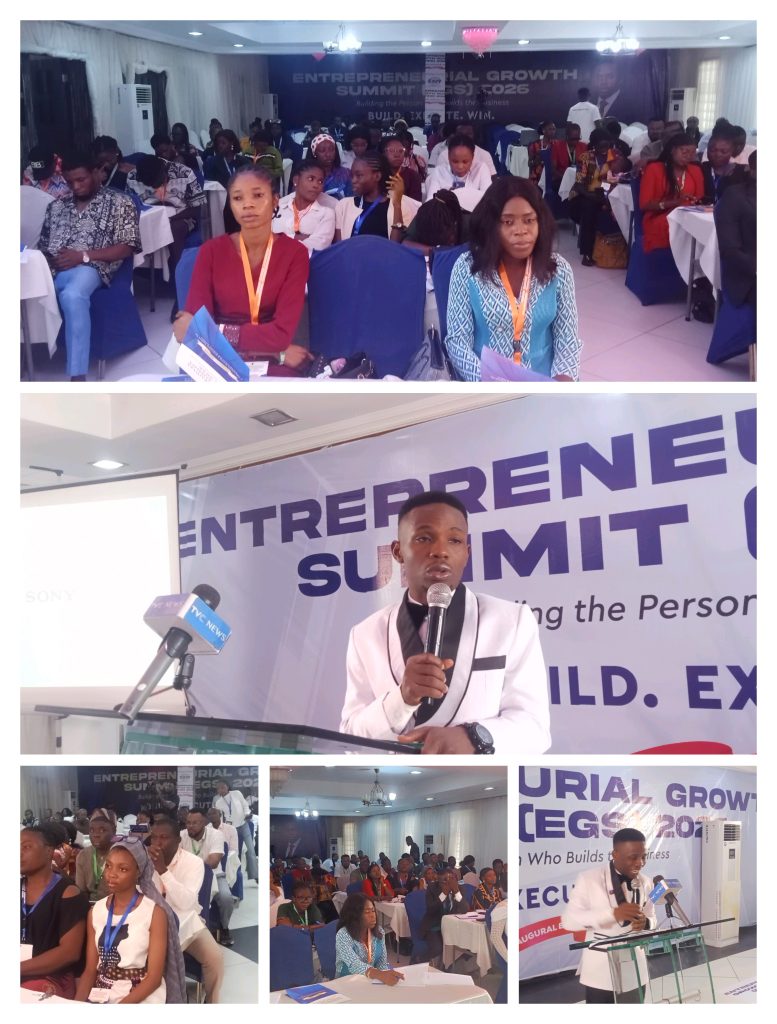
At a time when many Nigerians blame inflation, government policies, and harsh economic conditions for business failure, the Entrepreneurial Growth Summit (EGS) 2026 has urged entrepreneurs to look inward, stressing that mindset, not Nigeria, is the real determinant of business success.
The summit, which attracted entrepreneurs and professionals from within and outside Ekiti State, focused on how Nigerians can build sustainable businesses despite regulatory pressures, rising costs, and unstable market conditions that characterize the country’s economy.
Under the theme “BUILDING THE PERSON WHO BUILDS THE BUSINESS” with the motto “Build, Execute, Win,” the event brought together entrepreneurs and professionals.
The Convener of the program, Isaac Ajisafe, a business and leadership consultant, author, speaker, and founder of SBS Business Stones, anchored the discussion on mindset mastery as the foundation for surviving and thriving in Nigeria’s business environment.
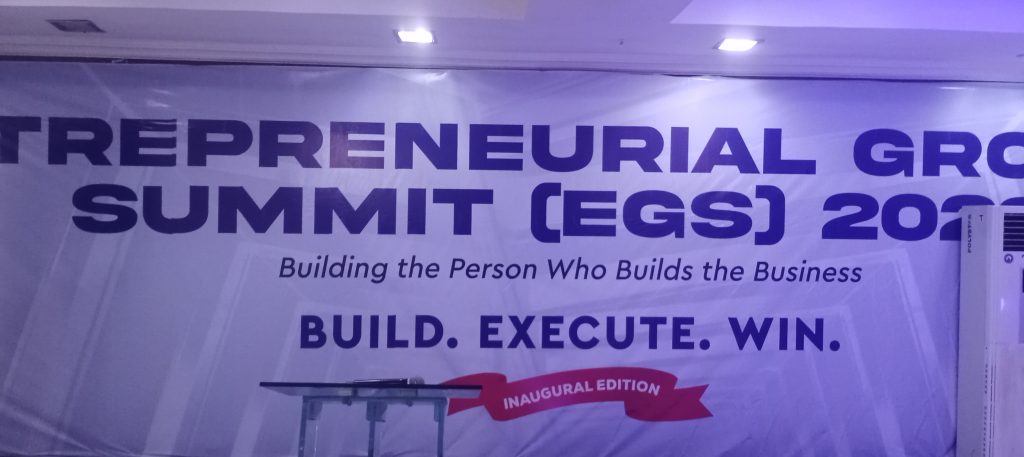
Ajisafe told participants that while access to capital and customers is important, many Nigerian businesses fail because their owners are mentally unprepared for growth, pressure, and long-term execution. He said investors are unwilling to support ideas that lack structure, clarity, and strategic thinking.
According to him, mindset mastery is a form of mental leadership that requires entrepreneurs to take responsibility for their thoughts and deliberately eliminate beliefs that limit execution. He warned that many businesses collapse mentally long before they fail physically.
He identified four mindsets that destroy businesses in Nigeria: scarcity mindset, which assumes opportunities are limited; victim mindset, which blames government and circumstances; overnight success mindset, which breeds impatience and inconsistency; and validation mindset, where confidence depends on public approval.
Addressing the popular belief that Nigeria is hostile to business, Ajisafe argued that policies and regulations exist in every country and only become barriers when entrepreneurs believe they are. He maintained that Nigeria remains a fertile business ground and is less competitive than many global markets, which explains why foreigners continue to invest successfully in the country.
Sharing his personal experience, he recalled starting his first office with borrowed furniture before building multiple ventures across buying and selling, training, and consulting. He advised Nigerian entrepreneurs, particularly those in Ekiti State, to think beyond their immediate environment and build businesses that can attract customers nationally and internationally.
Ajisafe also announced that the summit is part of a ninety-day mentorship program, with participants receiving continued online training after the physical opening. A participant, Mrs. Daniel Alabi, a Lagos-based entrepreneur and civil servant, said the program reinforced the need for Nigerians to continuously learn, unlearn, and relearn in order to grow successful businesses.
