
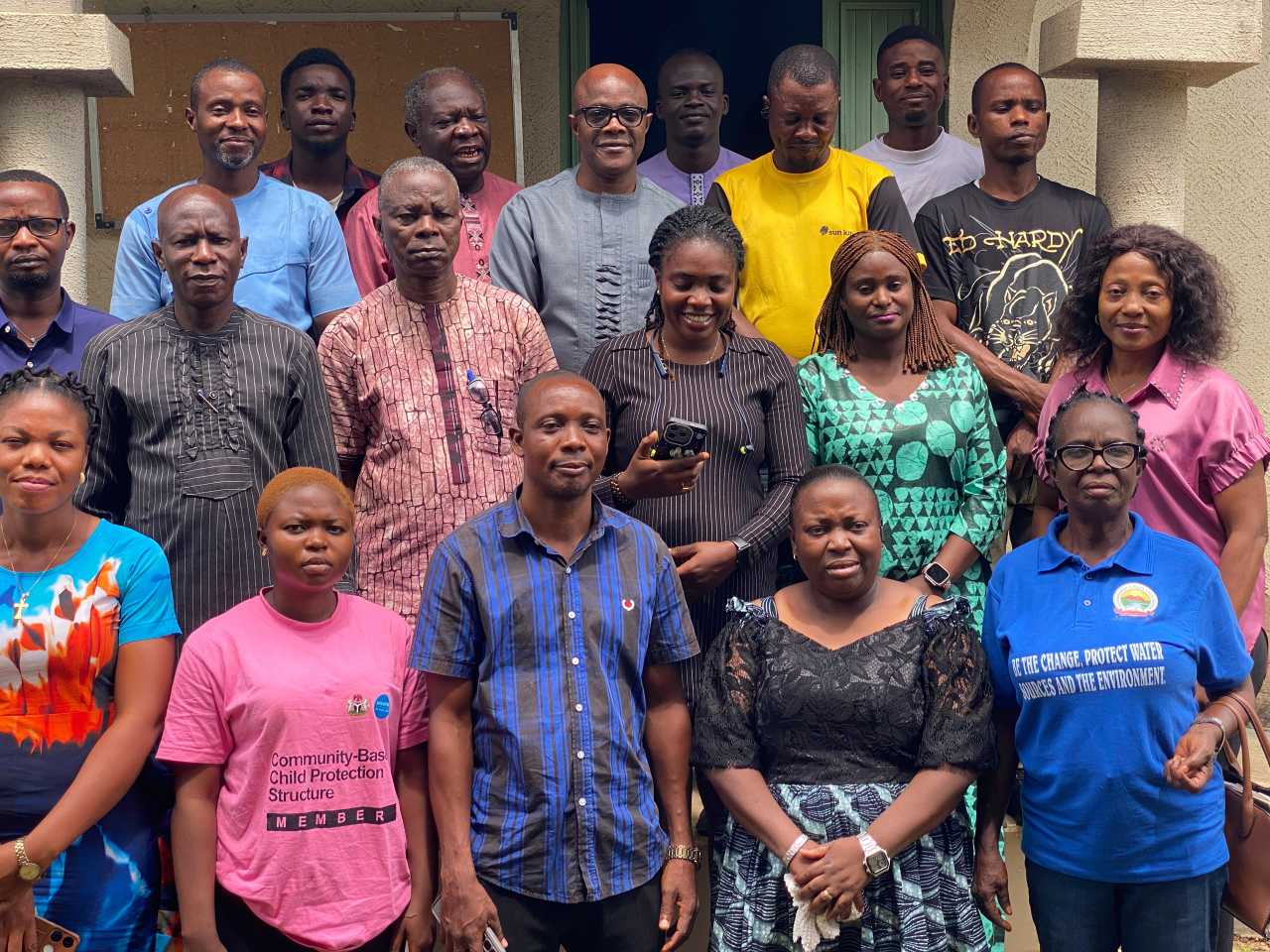
The Global Fund-supported Integrated Community-Led Monitoring (CLM) project in Ekiti State has urged the state government to increase funding for HIV/AIDS, tuberculosis and malaria programmes to reduce dependence on external donors.
The project team said inadequate domestic funding and the weakening of international donor support threatened the sustainability of interventions aimed at preventing and controlling the three diseases, particularly among vulnerable populations in rural communities.
The call was contained in a brief presented at the project’s bi-annual media meeting, held on Thursday in Ado-Ekiti, by the Team Lead of the Global Fund-supported Integrated Community-Led Monitoring project and State Coordinator of the Tuberculosis Network, Dr. Taiwo Benson.
The brief highlighted funding gaps, inadequate healthcare infrastructure and barriers to accessing essential medical services across the state, urging the government to demonstrate greater ownership of disease control programmes through dedicated budgetary allocations, timely release of funds and effective monitoring of expenditure.
The project team expressed concern that the State Agency for the Control of AIDS (SACA) appeared to have become largely inactive following the reduction in donor-supported interventions, adding that the agency required adequate funding, staffing and operational support to fulfil its mandate.
According to the brief, the state’s HIV response also requires a dedicated budget line for the State AIDS Control Programme, which reportedly lacks one more than two decades after its establishment within the Ministry of Health.
On tuberculosis, the team called for increased investment in community sensitisation, early diagnosis, contact tracing and treatment adherence, stressing that government interventions should go beyond annual commemorations of World Tuberculosis Day.
It also urged the government to develop a sustainable financing plan for HIV/AIDS, tuberculosis and malaria programmes to reduce dependence on external funding without disrupting essential services.
The team further raised concerns about the state’s primary healthcare system, citing shortages of diagnostic equipment, inadequate resources and disparities between urban and rural health facilities.
The assessment showed that only 26.6 per cent of primary healthcare centres in Ekiti were ready to provide essential tuberculosis control services, while HIV service readiness stood at 40 per cent.
Malaria service readiness was put at 61.9 per cent, while about 49 per cent of primary healthcare centres reportedly experienced stockouts of family planning commodities.
The team attributed the challenges to gaps in infrastructure, medical supplies and funding, warning that the situation could discourage patients from seeking timely care and undermine efforts to control the diseases.
It called for the decentralisation of medical supplies, improved diagnostic capacity in rural facilities and increased enrolment of vulnerable residents in the state’s Ulerawa Health Insurance Scheme.
The project team also urged the government to ensure that funds allocated to primary healthcare were properly managed and translated into improved services for residents.
It called for stronger collaboration among government agencies, healthcare providers, civil society organisations, development partners and communities to improve access to treatment and strengthen accountability in the health sector.
Meanwhile, the CLM project, which commenced in Ekiti in the fourth quarter of 2025, has recorded community-led interventions aimed at improving conditions in primary healthcare facilities.
At the Federal Housing Estate Primary Healthcare Centre in Ado-Ekiti, community members contributed resources to relocate the labour room to a more spacious and suitable facility.
Communities around the primary healthcare centres in Ilogbo-Ekiti, Ikole and Isaba also engaged security personnel and gardeners to support the facilities, while residents of Oketoro in Iyin-Ekiti provided an alternative power supply.
Other interventions included the repair of a faulty solar panel powering a borehole at Opopogboro Primary Healthcare Centre, repairs to a leaking roof at Iworoko Primary Healthcare Centre and the engagement of a community health worker at Ara Primary Healthcare Centre.
The project team said the interventions demonstrated the importance of community participation in improving healthcare delivery, particularly in areas where public facilities faced operational challenges.
It urged communities to sustain their support through advocacy, volunteering and resource mobilisation while calling on the state government to provide the necessary funding and infrastructure to ensure that primary healthcare centres function effectively.
The team maintained that sustainable progress against HIV/AIDS, tuberculosis and malaria required stronger political commitment, adequate domestic financing and accountability to ensure that vulnerable residents were not denied essential healthcare services because of poverty or geographical barriers.
