
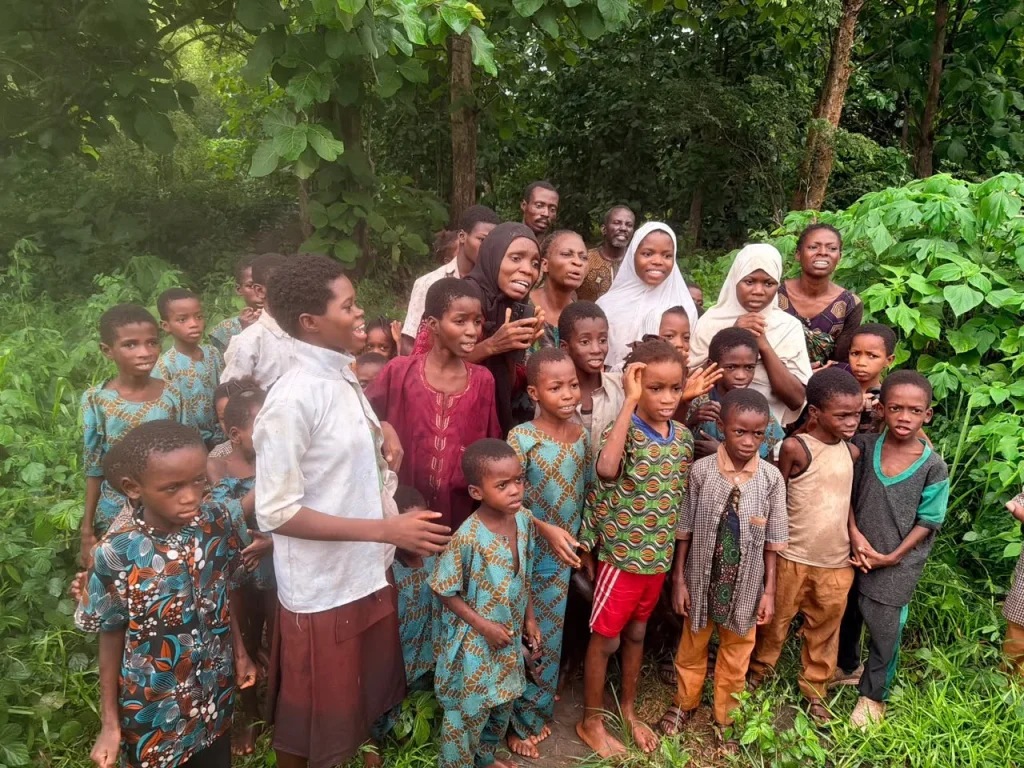
A former Assistant Director of the Department of State Services, Dennis Amachree, has weighed in on the conflicting accounts of how the Oyo schoolchildren and their teachers regained their freedom from terrorists.
He said both the captives’ version and the Federal Government’s account of a rescue operation could be true at the same time. One of the freed teachers had said the terrorists released them before security operatives arrived to take them home, which differed from the government’s earlier position that the release followed a rescue operation involving arrests, with no prisoner exchange.
Asked how Nigerians should interpret the two seemingly contradictory narratives in an interview with TVC News on Monday, Amachree said the situation on ground was fluid enough to accommodate both. He explained that the terrorists may have promised to let the captives go even as troops were closing in around them, noting that both accounts could be true given how fluid the situation was, since the terrorists could have been on the verge of releasing them just as security agents moved in and took over.
He said the terrorists’ hand had effectively been forced before any release took place. According to him, troops had surrounded the terrorists in the forest and cut off their food supplies and communication links, leaving them with limited options. He explained that the operation itself was designed to squeeze the terrorists, who were completely surrounded in the forest and had their food supplies and communication links cut off as troops advanced, leaving them with few options. He said they may have claimed they were about to release the captives, even though they already knew they had lost.
On concerns raised by some Nigerians over how much operational detail security agencies should disclose after such rescues, Amachree said the public should be glad such details were shared at all, noting that similar operations had, in the past, remained classified for years. He said Nigerians should be pleased the matter was even being discussed publicly, since such information could otherwise remain classified for years, and credited the DSS for coming out to speak about it.
He said other security institutions had also come forward with information, noting that the military was also speaking on the matter, which he said served to inform members of the public who still doubted the official account.
He said Nigerians who did not believe the security agencies could do what they did should note that terrorists existed and that publicity was one of their major objectives. He added that publicity remained a key objective for terrorist groups, and cautioned against media coverage, particularly on social media, that plays into that goal, stressing that the trend needed to change. He said terrorists thrive on publicity, and that the Nigerian press, particularly on social media, was giving them exactly the attention they sought, a practice he said could not continue. He added that he believed the military had chosen to speak publicly because it felt Nigerians deserved to know what was happening, rather than leaving such information classified for years before it eventually came to light.
