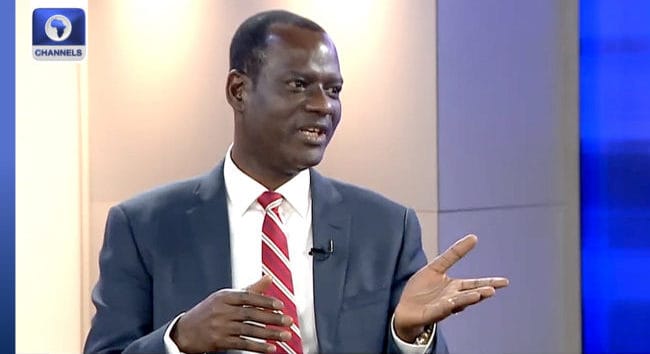
Nigerians earning less than N250,000 monthly will be exempt from paying income tax under newly approved tax laws set to take effect from January 2026. This was disclosed by Taiwo Oyedele, Chairman of the Presidential Committee on Fiscal Policy and Tax Reforms, during an appearance on Channels Television’s Politics Today. Oyedele noted that the tax reforms aim not to increase taxes but to stimulate economic activity and address widespread tax evasion. “This tax law will not give you cash in your pocket, but at least it won’t take your cash away if you are poor,” he said.
He emphasized that individuals earning below N250,000 monthly are now officially classified as poor. Explaining the rationale, he said, “We debated this question; we said: ‘Who is a poor person in Nigeria?’… We drew our own (poverty) line for Nigeria on the basis of an average of five people per family: two people working if they are lucky, taking care of the five. When we did the maths, it gave us an amount, and that was what we used in determining the income below which nobody should pay taxes.” According to him, this translated to about N120,000 to N130,000 for two working adults in a household of five—roughly N250,000 in total.
Oyedele stated that the reforms are designed to be people-centric, growth-focused, and efficiency-driven. “We have eliminated the tax component for people at the bottom, we have reduced for people at the middle, and we have increased slightly for people at the top,” he said. He defined the middle-income group as those earning between N1.8 million to N2 million monthly, noting that while they will still pay taxes, the burden will be lower than before. This group, he added, represents only about 5% of the population.
He also revealed that Nigeria currently collects only about 30% of the revenue it should from taxes. The goal of the new laws, he said, is to close the remaining 70% gap without imposing unnecessary burdens on the poor. “Nobody earning below the amount would have to pay taxes because they don’t even have enough,” Oyedele concluded, reiterating that the government’s intent is not to tax poverty but to drive inclusive growth.