
To exclude means to omit or bar others from participation. When persons with disabilities are excluded, society places a powerful constraint on its own progress.
Exclusion limits human potential, weakens social cohesion, restricts innovation, and narrows collective thinking. It is not merely a social oversight; it is a systemic barrier to development across every sector of society.
When individuals with impairment are denied access to education, employment, public spaces, social engagement, or decision-making processes, whether due to physical obstacles or limiting perceptions, society loses far more than it realizes.
We forfeit valuable skills, lived experiences, and perspectives that could strengthen our institutions and communities.
Progress thrives on inclusion.
The integration of diverse perspectives is a cornerstone of meaningful innovation, effective problem-solving, and sustainable social development. When people from different backgrounds are included, challenges are examined more thoroughly and solutions become more robust.
Diverse groups approach problems through distinct lenses, reducing blind spots, challenging assumptions, and producing creative, balanced outcomes that homogeneous groups rarely achieve. Inclusion grounds decisions in real-life experiences and ensures they reflect the needs of the wider society.
Exclusion narrows our collective potential; inclusion expands it.
Yet, too often, society focuses on perceived limitations rather than actual capabilities. Persons with impairment are frequently judged not by what they can do, but by what others assume they cannot. These assumptions are not rooted in inability, but in societal attitudes and structures that impose restrictions before opportunity is even offered.
Society should serve as a platform for encouragement, not discouragement, one that recognizes ability instead of magnifying constraint.
Impairment is commonly viewed through a deficit lens, emphasizing what individuals lack rather than what they can achieve. Rarely are people given the space to attempt, to learn, or to demonstrate their strengths.
In truth, human potential often remains invisible until it is given room to grow and one of the way we can give it room to grow is by inclusion. It is perception,barriers, stereotypes , not impairment, that creates limitation.
This mindset fuels stigma, inequality, discrimination, and weakened trust. It normalizes barriers that are seldom inherent to impairment itself. Most barriers are the result of systems designed without inclusivity in mind, systems that overlook accessibility not out of necessity, but out of neglect.
Excluding persons with impairment does not only harm those who are excluded; it quietly holds everyone back, same can lead to self sabotage in most cases. It slows progress across social, economic, and institutional spheres. Innovation stalls, communities fracture, and opportunities for collective advancement are lost.
Impairment is an integral part of the human experience. At some point in life, most people will encounter impairment,temporarily or permanently. When we ignore accessibility today, we are designing systems that will fail many of us tomorrow.
Inclusion is not an act of charity, it is justice .
It is a measure of progress, a commitment to equity, and an investment in a stronger, more resilient society. The question before us is not whether we can afford to include persons with disabilities, but whether we can afford not to.
Our society can do better by encouraging Inclusion , equality rather than exclusion that birth societal stereotypes and barriers.
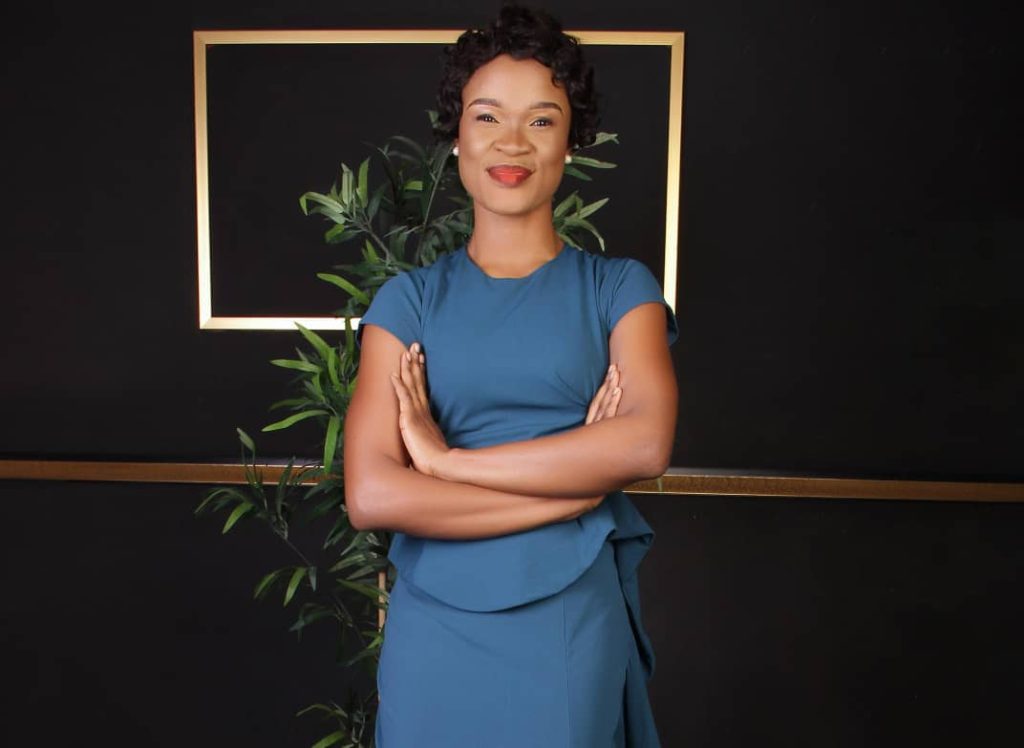
Omotosho Gbemisola
Legal practitioner
DG, CENTER FOR PROTECTION OF PERSON WITH DISABILITY.
