

…commences five days trainning for youths across geo-political zones
A Non-governmental organisation under the auspices of Corporate Accountability and Public Participation Africa (CAPPA), has called on President Bola Tinubu to impose at least 20% tax on sugar-sweetened beverages (SSBs) in order to reduce the risks of non-communicable diseases.
CAPPA, which described the products as the major factors contributing to the health crisis such as diabetes, strok, hypertension, enjoined the government to also earmark the realised funds for the development the healthcare sector.
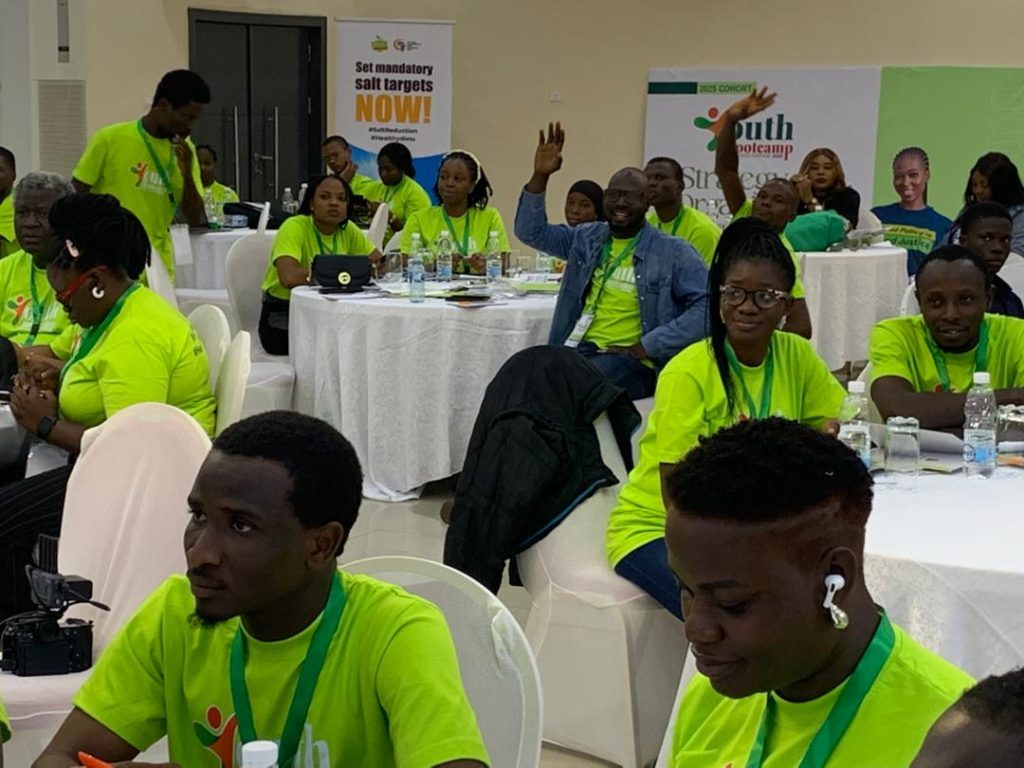
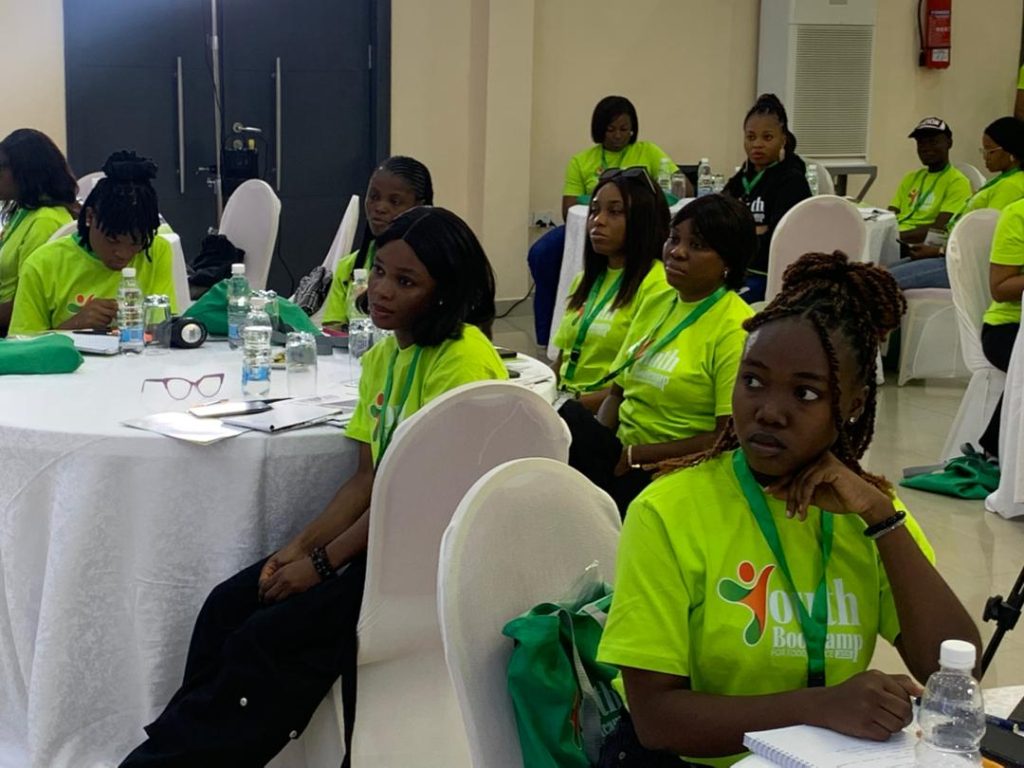
The Director of the Organisation, Oluwafemi Akinbode made this appeal at the opening ceremony of the 5-day Youth Bootcamp for Food Justice held at Ikogosi Warm Springs Resort, Ikogosi-Ekiti, Ekiti State
Speaking at the event themed: “Strategy and Organising: From Awareness to Action”, Akinbode urged Tinubu and the Federal Ministry of Health to intensify efforts towards enacting and enforcing stronger food and health policies in Nigeria in order to meet global standard practice.
The Director equally called for the enforcement of sodium reduction guidelines, front-of-pack labeling and public education on the dangers of excessive consumption of salt, sugar, and unhealthy oils, adding that these measures would help to curb excessive sugar consumption and reduce related health risks.
Akinbode highlighted the objectives of the bootcamp to include: building the capacity of youth advocates to lead and sustain engagements on healthy food policies, strengthening youth leadership and creating networks for collective efforts, monitoring and countering food industry manipulation of youths through misleading social media campaigns and establishing a network of young people knowledgeable to drive healthy food policy across Africa.
He said, “We are building pressure on the government to enact appropriate laws and regulations. Where such laws and regulations already exist, we are asking the government to enforce them.
“Take, for example, the issue of the sugar-sweetened beverages (SSB) tax, it already exists as a law, but we believe it requires revision from ₦10 per liter to something much more substantial, in line with global standards, WHO recommendations and even research we have conducted in Nigeria. Our findings suggest the tax should be raised to at least ₦130 per liter.
“Our advocacy also calls on the Nigerian government to enforce guidelines on sodium reduction by reducing salt consumption, ensure relevant agencies mandate front-of-pack warning labels so Nigerians can know the contents of what they consume and raise awareness about nutrients of concern such as excess salt, sugar and unhealthy oils.
In his lecture titled “Movement Building, Youth Activism and the Quest for Healthy Food Policies in Nigeria”, Professor Adelaja Odukoya decried loss of food sovereignty which has worsened the food system, as communities no longer control what is produced, how it is distributed, or what is ultimately consumed.
He also expressed concern over the unavailability of nutritious food which has forced people to consume accessible comestibles rather than what is desirable or beneficial to health.
Odukoya called on government and Nigerians to embrace food justice by prioritizing local foods, regaining control of food systems and ensuring that people are prioritised above profits.
“The problem of food justice is very grave and serious. If we do not pay attention to it, we are risking our future. As was emphasized in the lecture, food justice implies that an injustice exists. This injustice is organically connected to the fact that nutritious foods are no longer readily available.
“Today, availability dictates food choice. In other words, we are forced to eat what is available instead of what is desirable, what is nutritious or what is beneficial to the body.
“The health consequences are alarming. We are seeing rising cases of heart-related diseases, diabetes, cancer and other conditions. This crisis compromises not only our health but also our national wealth, prosperity and manpower leaving the entire nation worse off.
“Therefore, there is an urgent need for us to embrace food justice The government must act now. We call on patriotic Nigerians both inside and outside of government to join this struggle and make a difference”. He added
