
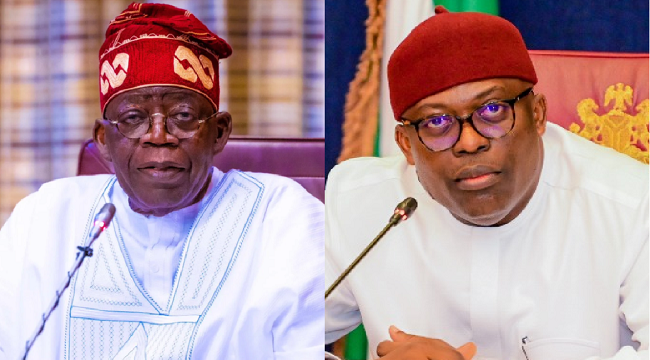
A coalition of youth organizations in Rivers State has condemned the suspension of Governor Siminalayi Fubara and other elected officials, calling on President Bola Tinubu to reinstate them ahead of the June 12 Democracy Day celebrations. The South-South Youths Initiative and the Coalition of Rivers State Youth Bodies warned that the action undermines democratic governance and sets a dangerous precedent for constitutional order in Nigeria.
In a statement issued Tuesday in Port Harcourt, the coalition, led by its National President Imeabe Oscar, described the suspension as “reckless, unconstitutional, and an affront to Nigeria’s democracy.” The youth leaders emphasized that the Nigerian Constitution outlines impeachment by the State House of Assembly as the sole legal process for removing a governor, making the federal government’s action an unlawful intervention in state affairs.
The statement further called on President Tinubu’s administration to prioritize the restoration of democratic integrity by reinstating Governor Fubara, Deputy Governor Ngozi Odu, and the affected members of the Rivers State House of Assembly. The groups urged the federal government to respect constitutional processes and uphold democratic principles to prevent further political instability in the state.
Additionally, the youth coalition urged Nigerians to remain vigilant in defending democracy against threats of manipulation. They emphasized that Democracy Day is an opportunity for citizens to reaffirm their commitment to constitutional governance, federalism, and the rule of law. According to the coalition, safeguarding Nigeria’s democratic institutions is crucial in ensuring long-term political stability and good governance.
As calls for reinstatement grow, the youth groups have vowed to intensify their advocacy efforts, urging policymakers and stakeholders to take swift action in addressing the crisis. The coalition emphasized the need for unity in protecting Nigeria’s democratic structures, stressing that weakening these institutions could have far-reaching consequences for governance and civil liberties.
